Why AFitPilot® exists
We set out to make AI replace the coach. A year of trying taught us the opposite.
Team
Currently building AFitPilot.
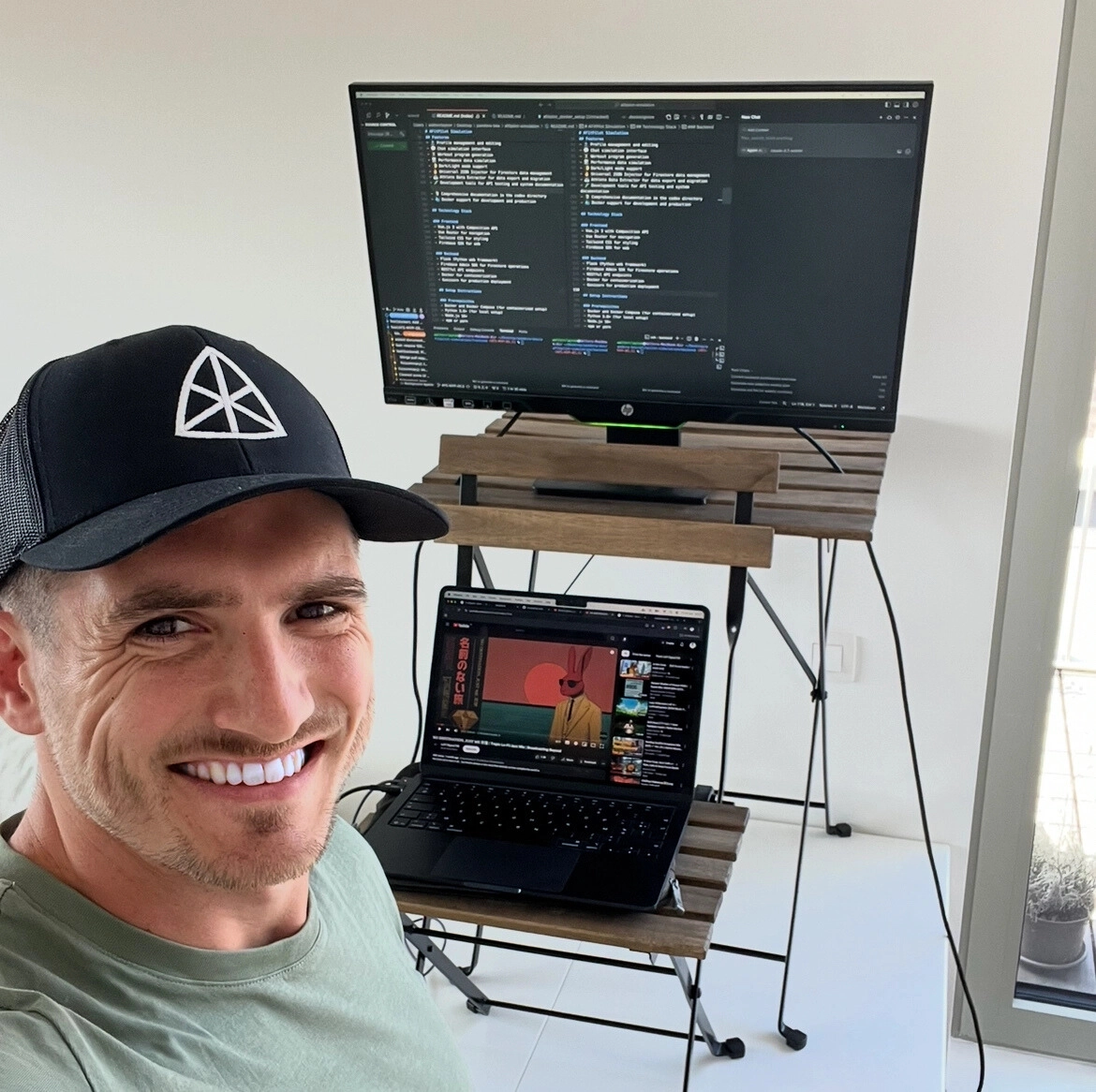
Walter Clayton
I spent a decade coaching athletes before writing a line of the code that became AFitPilot — and that order matters. Most training apps are spreadsheets with a login. They hand you a plan and hope it fits. Coaching is the opposite: you watch how someone responds and you adjust. That's what I've spent years trying to teach software to do. AFitPilot is the result — adaptive programming that reads training the way a good coach would, built by someone who's stood on both sides of the whiteboard.

Vito Krizmanić
Kinesiology student at the Faculty of Kinesiology, University of Zagreb, finishing his final exams before going full-time on AFitPilot. A former elite handball player with 14 years of competitive play, plus 10 years of weightlifting and fitness coaching — combining the mindset of an athlete with the analytical approach of a sports scientist. At AFitPilot, Vito works across sports science, product, marketing, and code — bridging the research and the day-to-day of what coaches actually need.
How we got here
From a GP's home computer in 1971 to a coaching platform in 2026.
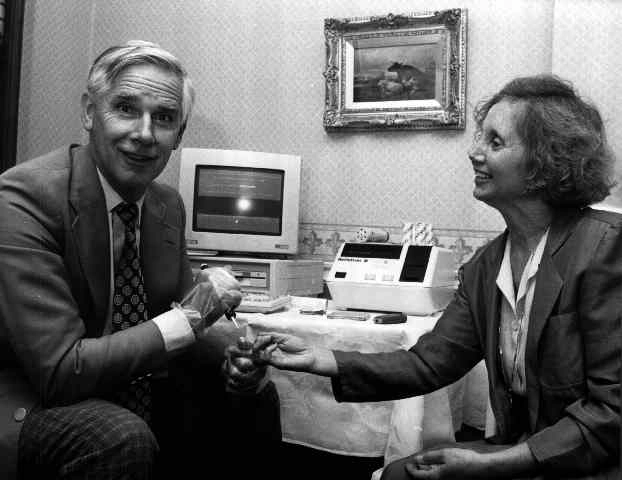 1971
1971The origin
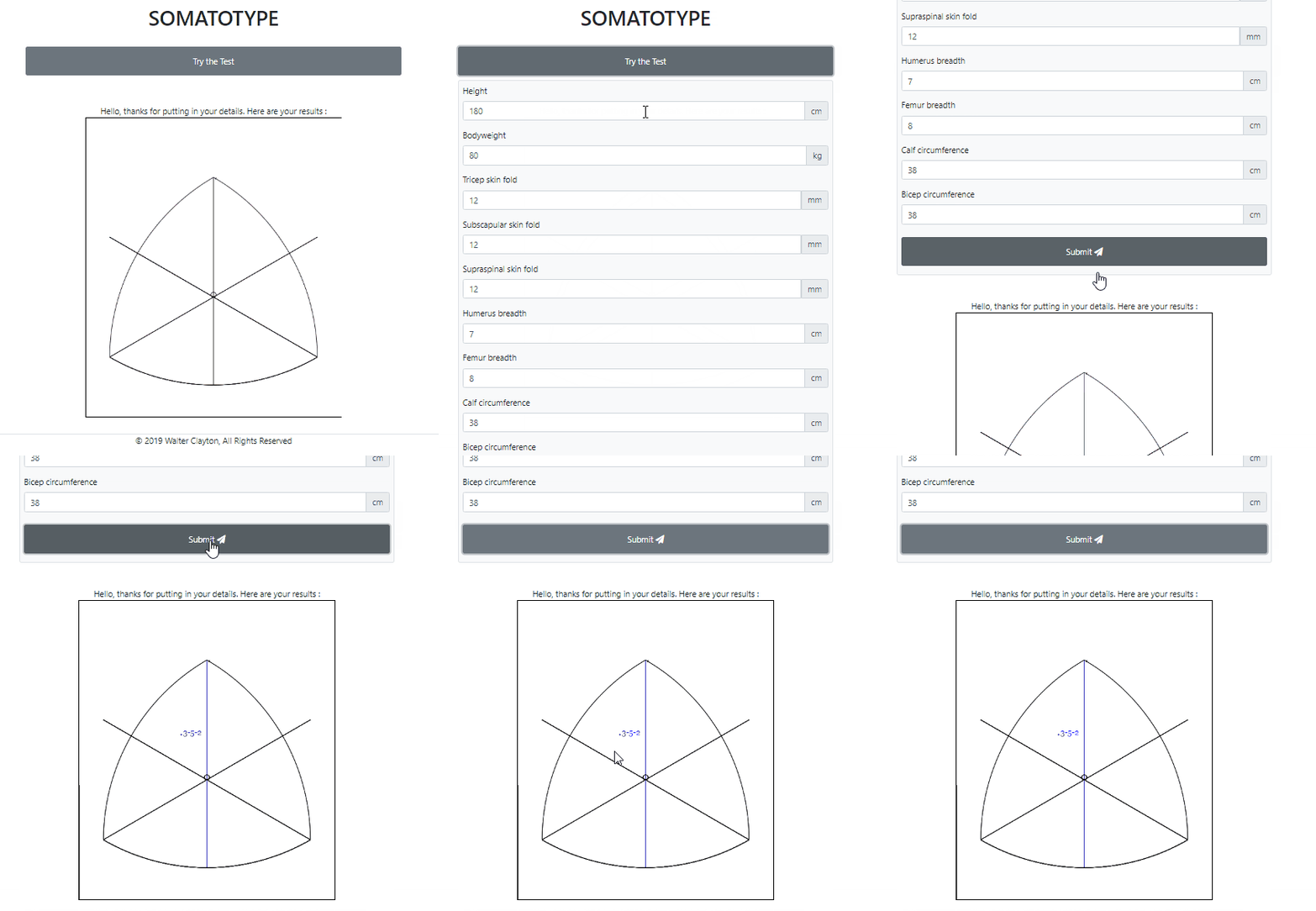
AFitPilot didn't start in 2019. It started in 1971, in a GP practice in Norwich, with a man who taught himself to code at evening classes. Dr. Geoffrey Clayton — GP, pioneer, and my grandfather — built Takeheart, an expert system that turned patient data into personalised health reports. The intellectual architecture behind AFitPilot is the same.

 Today
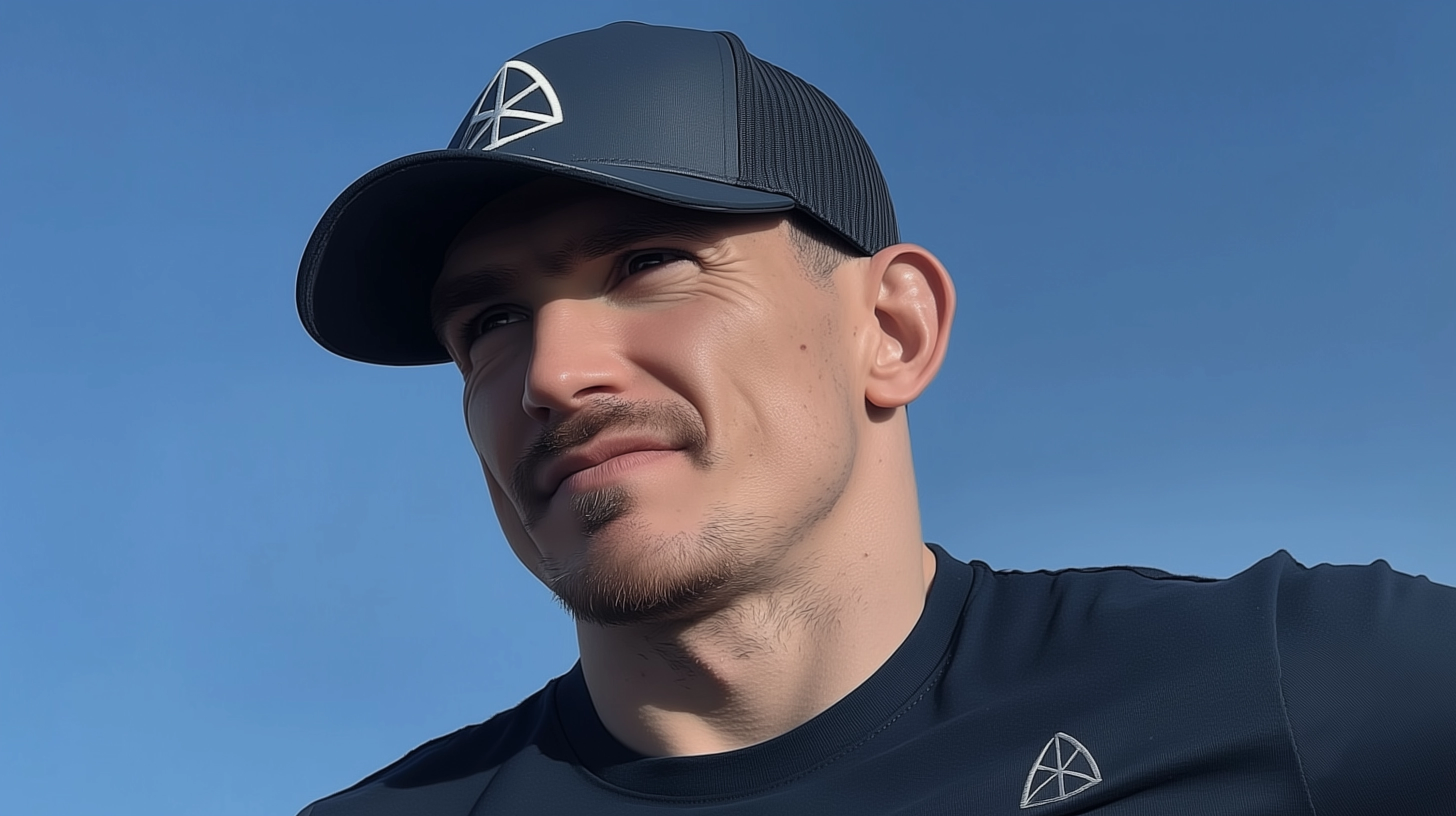
TodayAFitPilot 2.0 — built on what didn't work
A year ago I was building programs in ChatGPT — PDFs, Google Forms, me overriding the model every session. It worked because I was in the loop. In December 2025 I tried the opposite: athletes log, the LLM generates next week. Without a coach, the model hallucinated and athletes didn't engage. The lesson: the coach stays in the loop. AI removes the grunt work; it doesn't replace the judgment. AFitPilot 2.0 launched in May 2026 on that insight.
- Two-stage AI generation — strategy first, then exercise selection from a filtered library
- Plan memory — context events, coach overrides, and tendency profiles persist across weeks
- Coach override at every level — exercise, block, session, full plan, with hard bans on exercises, patterns, or equipment
- Foster sRPE × duration load tracking, EWMA-smoothed trends, Hooper-Mackinnon daily readiness
- Closed-loop quality — every coach correction logged as a before/after event and replayed against new code before it ships
Past contributors
People who helped build earlier versions of AFitPilot.

Kevin Osegueda
Worked across the front and back-end of the early AFitPilot platform.

Khyati Mehta
Built the WhatsApp athlete messaging integration on an earlier version of AFitPilot.

Luiz Fernando Santa
Frontend development and AI testing on an earlier version of AFitPilot.